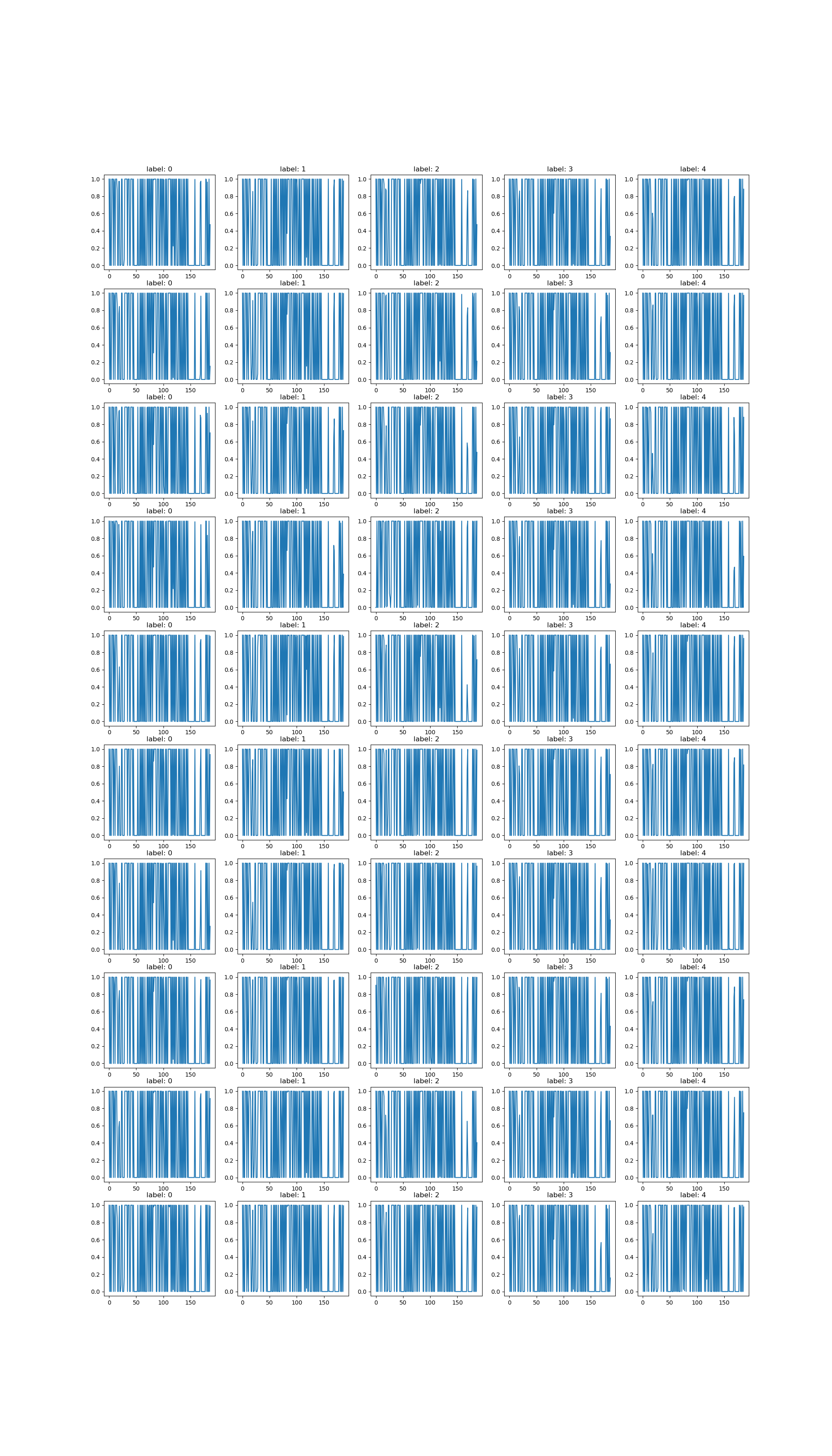
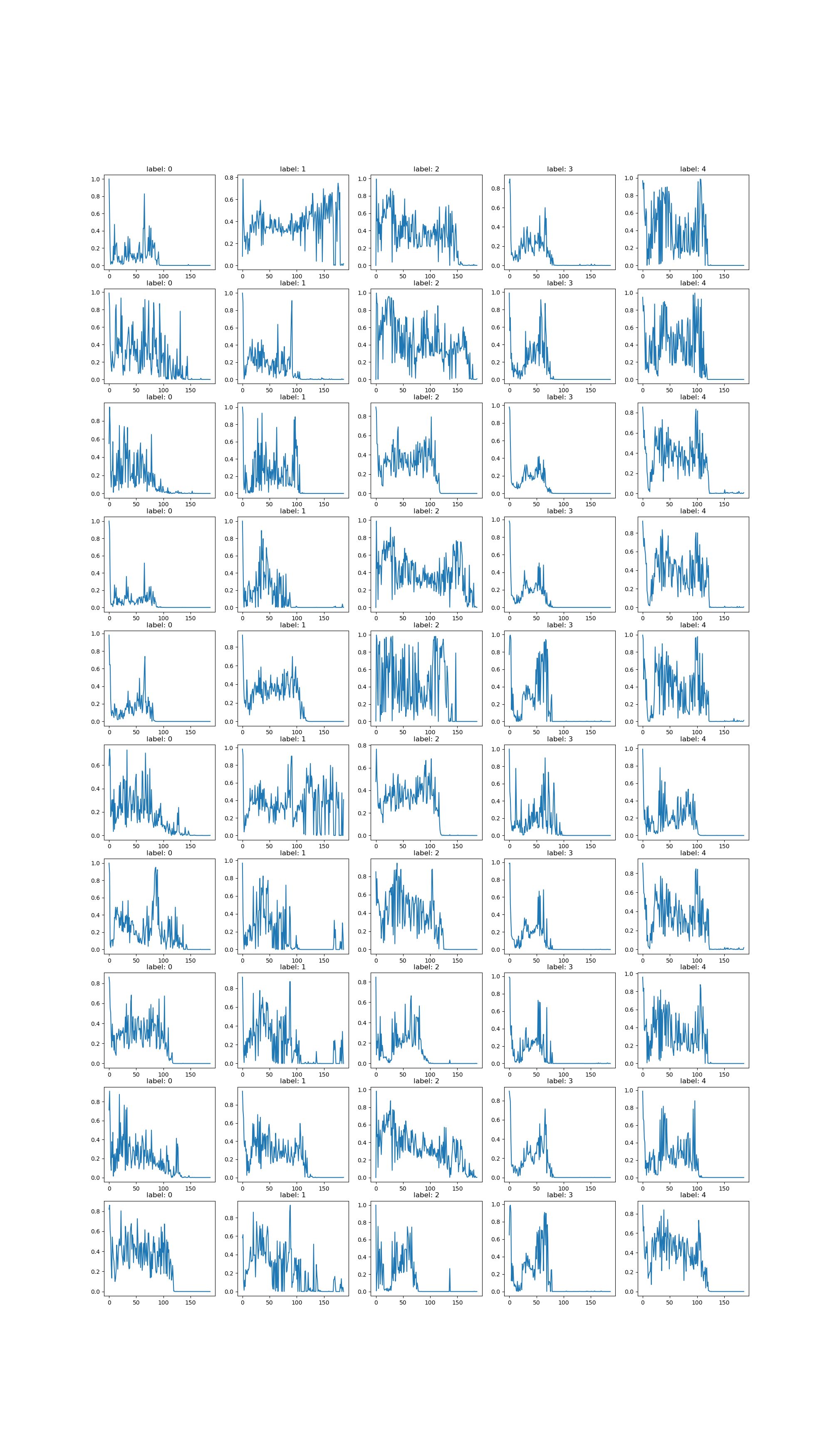
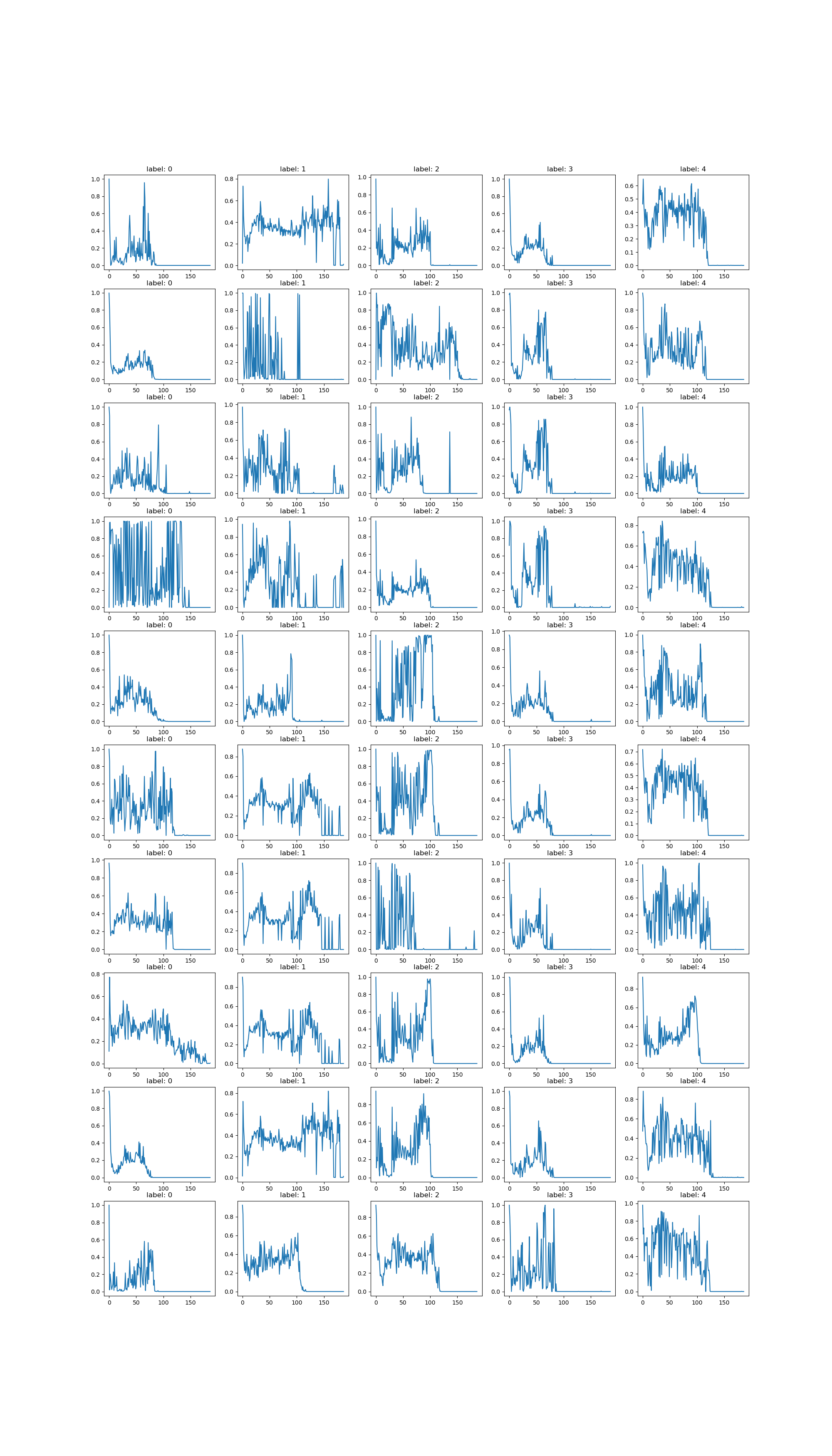
Machine learning models have shown remarkable capabilities, often outperforming medical experts in various tasks. However, to reach this level of performance, they typically require large, high-quality datasets. Unfortunately, obtaining such datasets can be challenging due to privacy concerns, regulatory restrictions, and the timeconsuming process of expert annotation. This is where synthetic data comes into play. By simulating realistic and diverse cases, synthetic data helps fill gaps in underrepresented conditions and demographics, ultimately enhancing the robustness and generalization of models while protecting patient privacy.
For this project, cGAN model was used. It is pragmatic choice to generate labelled dataset
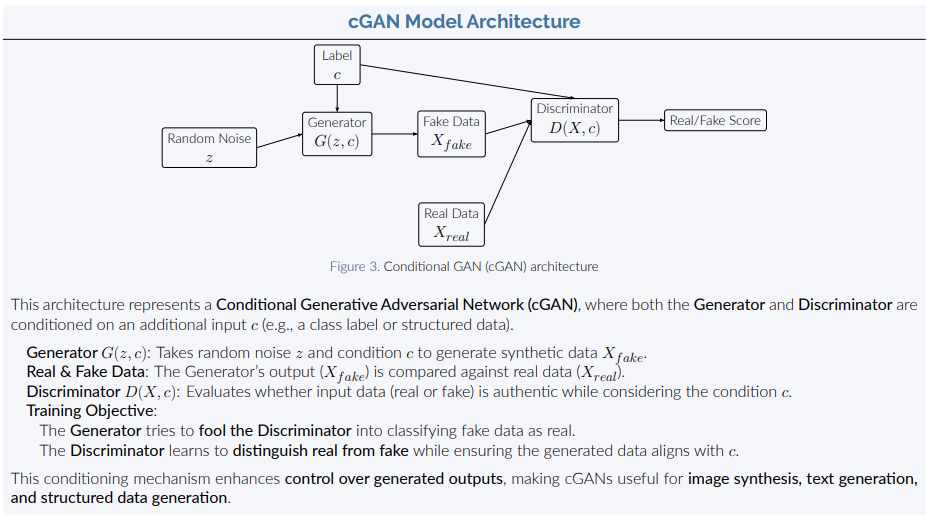
To prevent deadlock between Generator and Discriminator, the discriminator training loop is increased after 1000th epoch.
The challenge is balancing Generator and Discriminator. If it is too strong or to weak, it wouldn't be able to provide useful feedback for the generator.
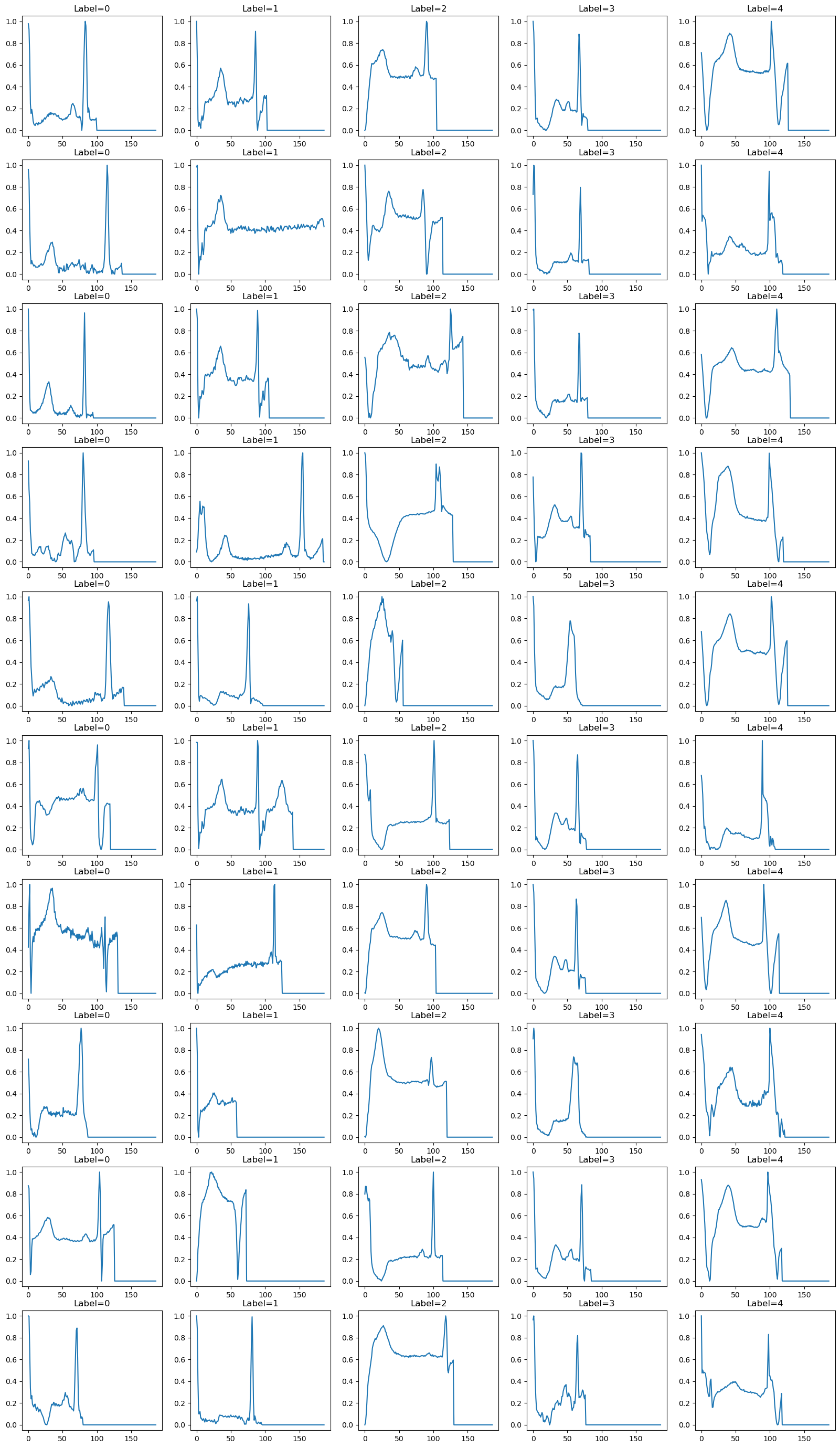
While the results show promise, further refinements are needed. It is likely that more training is needed, it is also possible that halfway through the training the discriminator become too strong. The Savitzky-Golay filter could aid in denoising, but preprocessing
challenges limit its effectiveness. Preprocessing the training data to sinus rhythm might be beneficial.
I couldn't explain how this improved model performance, so it was omitted.
BibTex Code Here